
PopArtFashion – Exclusive Pop Art & High-Quality Lifestyle Products
PopArtFashion is an innovative art concept specializing in exclusive pop art, custom-made artworks, and high-quality, one-of-a-kind art pieces created using lenticular technology. Each piece is meticulously handcrafted and refined by the internationally renowned pop artist Shary. His distinctive interpretation of colors, materials, and textures turns every artwork into a visual experience and a true collector’s item.
In addition to unique works of art, PopArtFashion offers a carefully curated selection of fashion and iconic lifestyle products. These products combine artistic design, premium quality, and exclusive finishes. Many of the designs come directly from artist Shary, whose creative signature clearly defines the brand. With PopArtFashion, you are not just acquiring art – you are embracing a lifestyle statement that unites modern pop art, creative design, and the highest standards of quality.
Anyone looking for individual pop art, extraordinary one-of-a-kind artworks, or high-quality lifestyle products will find unique creations at PopArtFashion that inspire and delight.
History
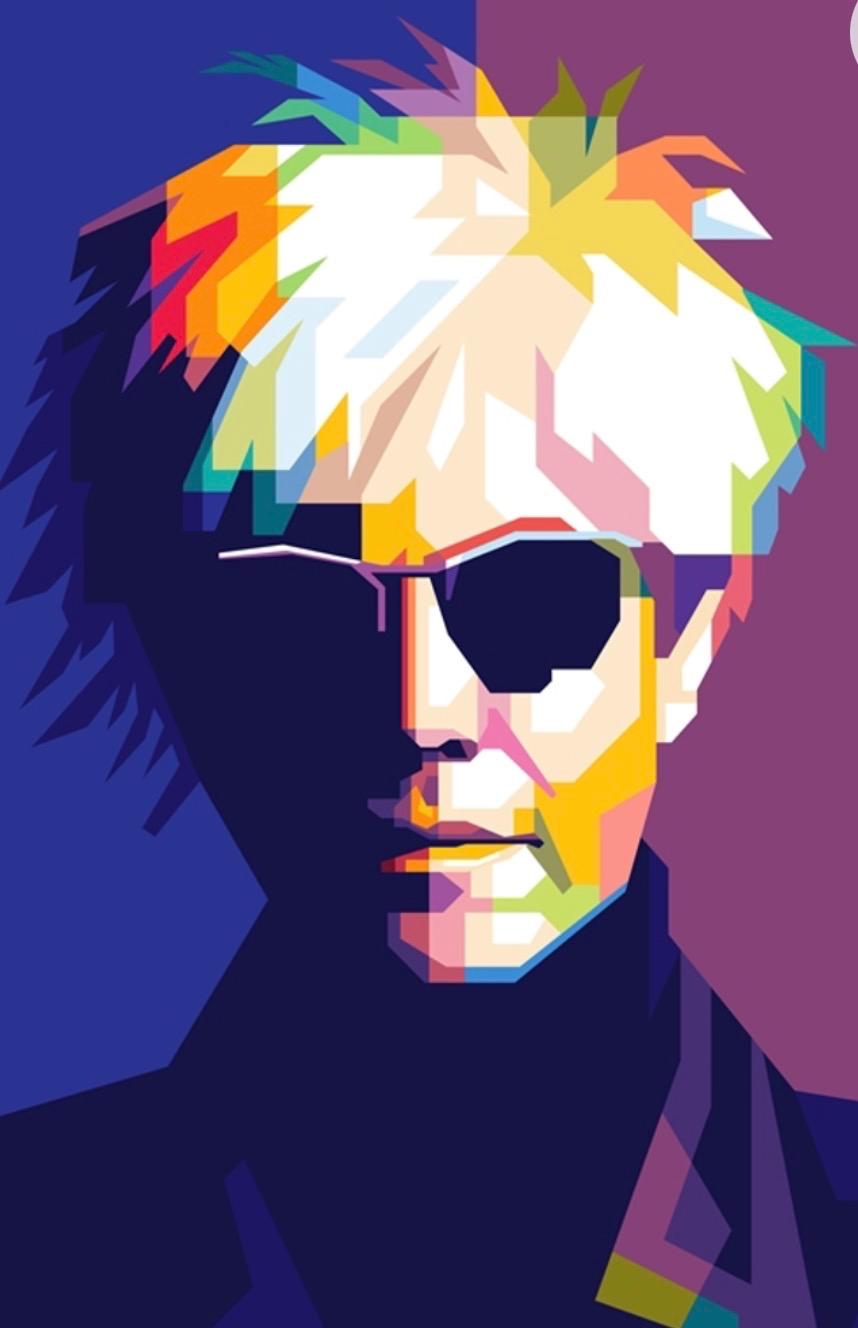
The history of pop art fashion is shaped by the 1960s and 1970s, a period in which designs emerged that were directly inspired by the pop art movement. This movement drew on popular culture and mass-produced imagery to create playful, often short-lived garments featuring bold colors and striking patterns. Iconic designers such as Yves Saint Laurent, Mary Quant, and Andy Warhol incorporated mass-produced symbols like soup cans and advertising imagery into their textiles and fashion, leading to trends such as the iconic paper dresses and psychedelic designs that captured the adventurous spirit of the youth of that era. This movement brought art closer to everyday life by using ordinary objects and consumer culture to create visually exciting and democratized fashion.
In 1952, seven years after the end of the war, London was still a gray and cold place where people suffered from hunger. A group of young and unconventional artists and architects were acutely aware of this situation – and increasingly weary of the conventions and restrictions of post-war Britain. At the time, they did not yet realize that they would become revolutionaries. This unequal group of men and women noticed a curious juxtaposition: on one hand, there was the bleak, bombed-out capital; on the other, the first signs of a colorful, consumer-oriented society were beginning to bloom. They thus began to incorporate the bold visual language of the new advertisements into their work in ways that had previously been unimaginable. Pop art was born.
“These artists had largely come of age after World War II and were only peripherally affected by its traumas,” writes Flavia Frigeri in Pop Art, published by Thames & Hudson. “Instead, they were able to indulge in the frenzy of products and the flood of images brought about by a rapidly growing consumer society.” These artists claimed for themselves a reverence for the cola bottle and the soup can, drawing inspiration from celebrity, advertising, and consumer culture; they embraced irony and rejected convention. Nothing would ever be the same again. Pop art may have begun with Richard Hamilton and Eduardo Paolozzi (the artists) as well as Alison and Peter Smithson (the architects), but it grew into a worldwide movement – with names like Andy Warhol, Roy Lichtenstein, James Rosenquist, and Claes Oldenburg.
And even though its origins lie in Great Britain, the art form is most often associated with the United States. “The language of pop art spread rapidly across the world,” writes Frigeri. It changed not only art but the world as a whole, reaching deep into culture and transforming our ideas of fame, literature, and fashion. With the rise of mass media in the 1950s and 1960s, the world was inundated with images – on television screens, in newspapers, and in cinemas. Images acquired an entirely new ubiquity. Pop art took these – whether of Mao, Donald Duck, Mickey Mouse, or Che Guevara – and dressed them with something revolutionary: equality. “Pop art looks at the world; it doesn’t act like a picture of something, but like the thing itself,” Roy Lichtenstein once said.